
How Dynamic Plantar Pressure Sensors and Gait Analysis Transform Rehabilitation
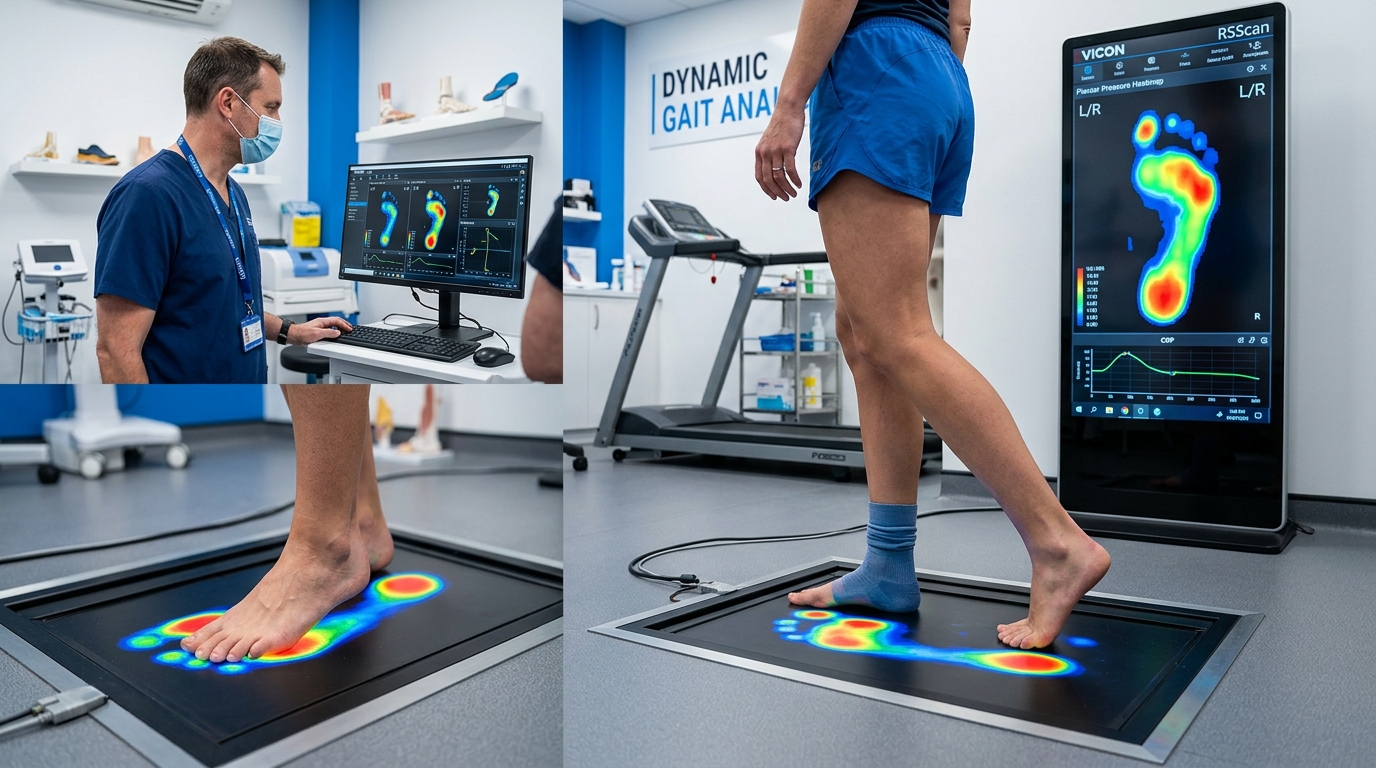
In the realm of biomechanics, the foundation of the human body dictates the alignment of the entire kinetic chain. Posture does not begin at the cervical spine; it begins at the feet. By utilizing a plantar pressure sensor insole gait system, modern clinics can capture dynamic functional data that static standing simply cannot reveal.
The Necessity of a Foot Pressure Analysis Machine Clinic Setup
A comprehensive foot pressure analysis machine clinic setup is no longer a luxury reserved for specialized gait labs; it is an essential diagnostic tool for identifying the root causes of chronic knee, hip, and lower back pain. A standard foot pressure analysis system visually maps the distribution of weight across the plantar surface, highlighting asymmetries, hyper-pressure zones, and excessive impact loads during the gait cycle.
When a patient presents with chronic lower back pain, the issue may stem from an undiagnosed over-pronation or a leg length discrepancy that alters their walking biomechanics. A static posture test might miss this. However, computerised foot posture analysis immediately identifies the biomechanical deficit by tracking the Center of Pressure (CoP) trajectory throughout the stance phase.
Rehabilitation Gait Analysis Insole Technology
Modern podiatry, sports medicine, and physiotherapy rely heavily on the data provided by a rehabilitation gait analysis insole. These ultra-thin, highly sensitive insoles are placed inside the patient's own shoes, allowing clinicians to measure plantar pressure in real-world conditions rather than just walking barefoot on a clinic floor.
The data from these insoles is fed directly into advanced chiropodist software. This software not only records the data but analyzes the specific phases of the gait cycle—heel strike, midstance, and toe-off. By pinpointing exactly where the biomechanical breakdown occurs, the clinician can prescribe highly accurate, custom-milled orthotics designed to offload specific high-pressure zones.
Integrating Computerised Foot Posture Analysis with Spinal Data
The most advanced clinics combine spinal analysis with computerised foot posture analysis to achieve a true, holistic biomechanical assessment. If you only look at the spine, you are treating the symptom. If you only look at the feet, you may miss the compensatory mechanisms occurring in the pelvis and thorax.
The Complete Workflow
- Step 1: The patient undergoes a dynamic walking test using a foot pressure analysis system.
- Step 2: The chiropodist software generates a heat map identifying pathological pressure zones.
- Step 3: The data is correlated with 3D spinal data to determine if the foot pathology is driving the spinal deviation, or vice versa.
Clinical Caution: Static vs Dynamic
Prescribing orthotics based purely on a static foam box impression is an outdated practice. Discover how CIBODY's Foot & Gait Analysis Systems capture dynamic movement to ensure the orthotic functions correctly during walking and running.