
The Ultimate Guide to Automating Posture Tracking in Physiotherapy Programs
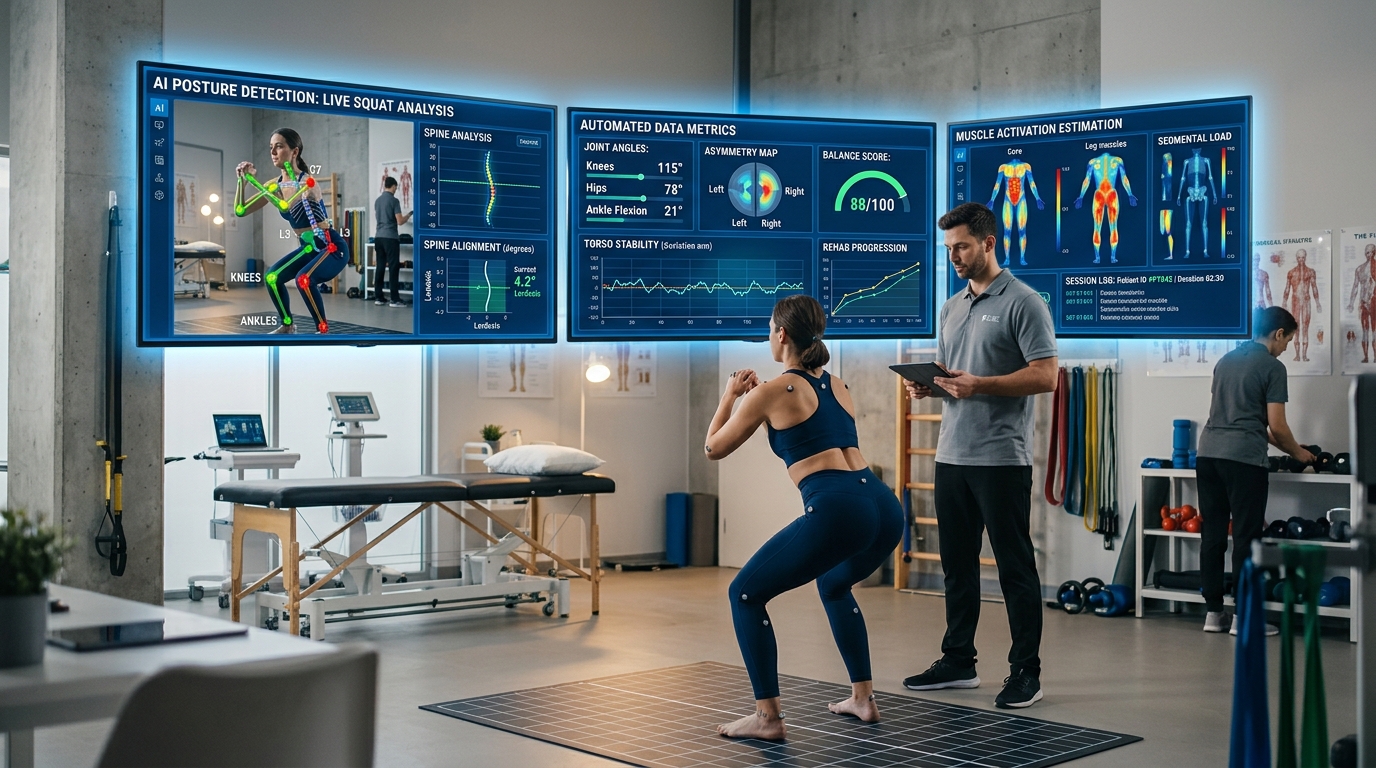
As physiotherapy and chiropractic clinics scale, the reliance on manual measurements using goniometers and plumb lines becomes a severe bottleneck. Clinicians are increasingly asking: are there any tools that can help automate posture tracking while maintaining or exceeding human accuracy? The answer lies in the rapid adoption of ai-driven 3d orthopedic measurement platforms.
Are There Any Tools That Can Help Automate Posture Tracking?
The manual assessment of posture is inherently flawed by inter-rater reliability issues. If two different physiotherapists evaluate the same patient, they often record slightly different pelvic tilts or shoulder asymmetries. To eliminate this subjectivity, clinics are turning to advanced tools for automating posture tracking with therapy programs.
Yes, tools exist today that completely automate this workflow. The transition from manual tools to digital systems is not just a trend; it is the new standard of care. AI posture detection systems can instantly capture dozens of anatomical landmarks without human error, generating comprehensive reports in less than a minute.
The Power of AI-Driven 3D Orthopedic Measurement Platforms
Unlike 2D photography, ai-driven 3d orthopedic measurement platforms utilize depth sensors (similar to LiDAR technology) to create a topographical map of the patient's body. These platforms excel at ai posture assessment because they can mathematically calculate the spatial relationship between the cervical spine, the thoracic kyphosis, and the lumbar lordosis.
When a patient steps onto a platform like CIBODY, the ai posture detection algorithm immediately identifies 64 critical joint and skeletal landmarks. It processes this data against thousands of normative clinical models to flag deviations instantly.
Integrating AI-Powered Physiotherapy Modules
Identifying a postural deviation is only the first step. The true value of these systems lies in their ai-powered physiotherapy modules. Once the ai posture assessment is complete, the software automatically correlates the biomechanical deficits with evidence-based rehabilitation protocols.
For example, if the system detects significant anterior head carriage and upper cross syndrome, the ai-powered physiotherapy modules will suggest a customized exercise plan targeting the deep cervical flexors and lower trapezius, while stretching the pectorals. This seamless integration of diagnosis and treatment is why these are considered the best ai posture screening tools for physiotherapists.
The Best AI Posture Screening Tools for Physiotherapists
When evaluating the best ai posture screening tools for physiotherapists, clinical directors should prioritize three things: accuracy, speed, and software integration. The ideal system must function as a comprehensive set of tools for automating posture tracking with therapy programs, allowing the clinician to spend less time measuring and more time treating.
By automating the data collection process, clinics can establish highly accurate baselines. As the patient progresses through their therapy program, subsequent scans will objectively prove the efficacy of the treatment, drastically improving patient retention and compliance.
Workflow Optimization
Implementing ai-driven 3d orthopedic measurement platforms like CIBODY can reduce a standard 20-minute postural assessment down to just 60 seconds. Learn more about how AI Posture Analysis can revolutionize your clinic's efficiency.